The Kitchen: Reach, Grip, and the Stove
Aging Parent Rescue is a participant in the Amazon Services LLC Associates Program. We may earn a commission when you buy through links on our site, at no extra cost to you.
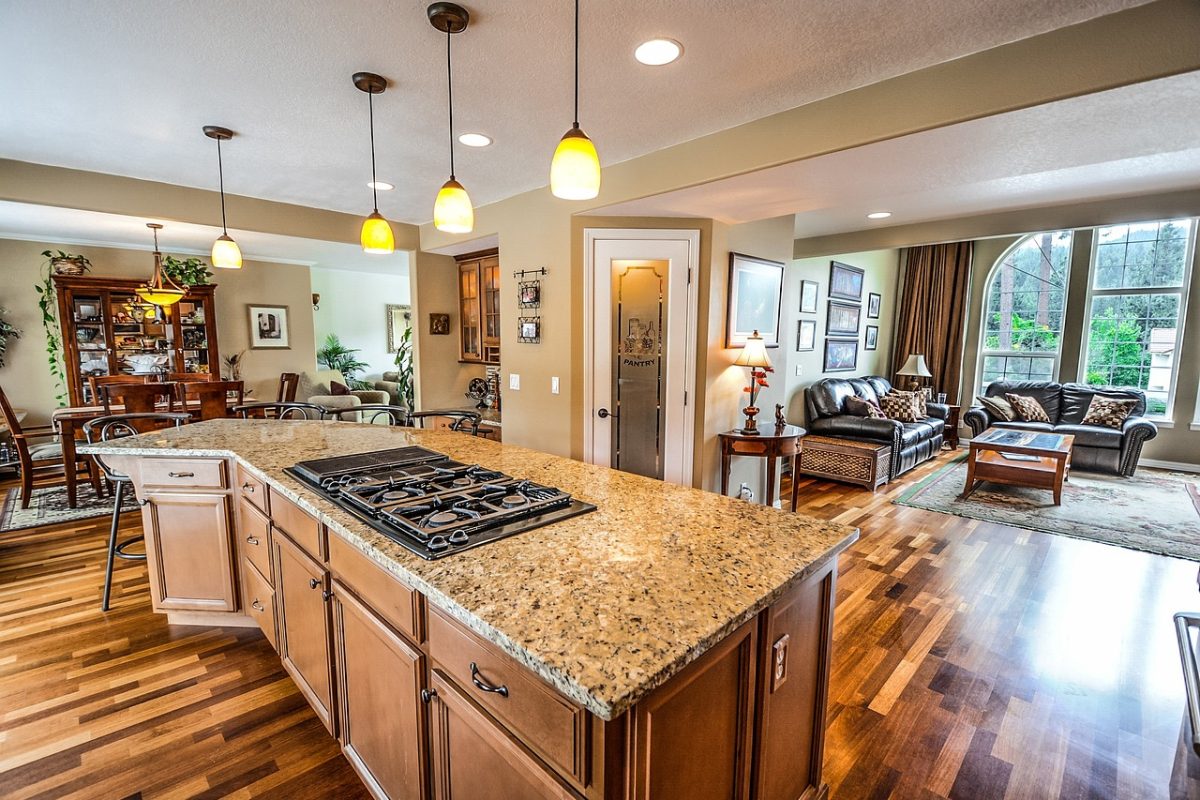
The kitchen rewards rearranging far more than it rewards equipment. Start by moving things, and only then buy.
Get everything into the easy zone
Daily items belong between hip and shoulder height — roughly 30″ to 54″. Anything used every day that lives above shoulder height or below the knee is a reason to climb or stoop, and both are how people fall in kitchens.
- Everyday plates, mugs and pans down to counter-adjacent shelves
- Heavy items at waist height, never overhead
- Nothing stored so high it needs a step stool
Grip, not strength
Most difficulty here is opening things, not lifting them. Jar openers, lever taps, and pans with two handles instead of one long one all address grip directly. Replace round tap handles with levers as they wear out.
An auto shut-off device is the highest-value safety item in this room if memory is a concern. It cuts power or gas after a set period with nobody having to remember anything. Pair it with a working smoke alarm that is actually tested.
Seating
A tall stool at the counter means food preparation can happen sitting down. Standing for twenty minutes is often the real barrier to someone still cooking for themselves.
Floor
Kitchen floors get wet and greasy. Anti-fatigue mats are fine if they have a bevelled edge and stay put; loose mats with curling corners are worse than bare floor.
One kitchen job comes up more than any other, and the usual fix is the wrong one: jar openers, and why grip rather than strength is the problem.