Stair Handrail Height
Aging Parent Rescue is a participant in the Amazon Services LLC Associates Program. We may earn a commission when you buy through links on our site, at no extra cost to you.
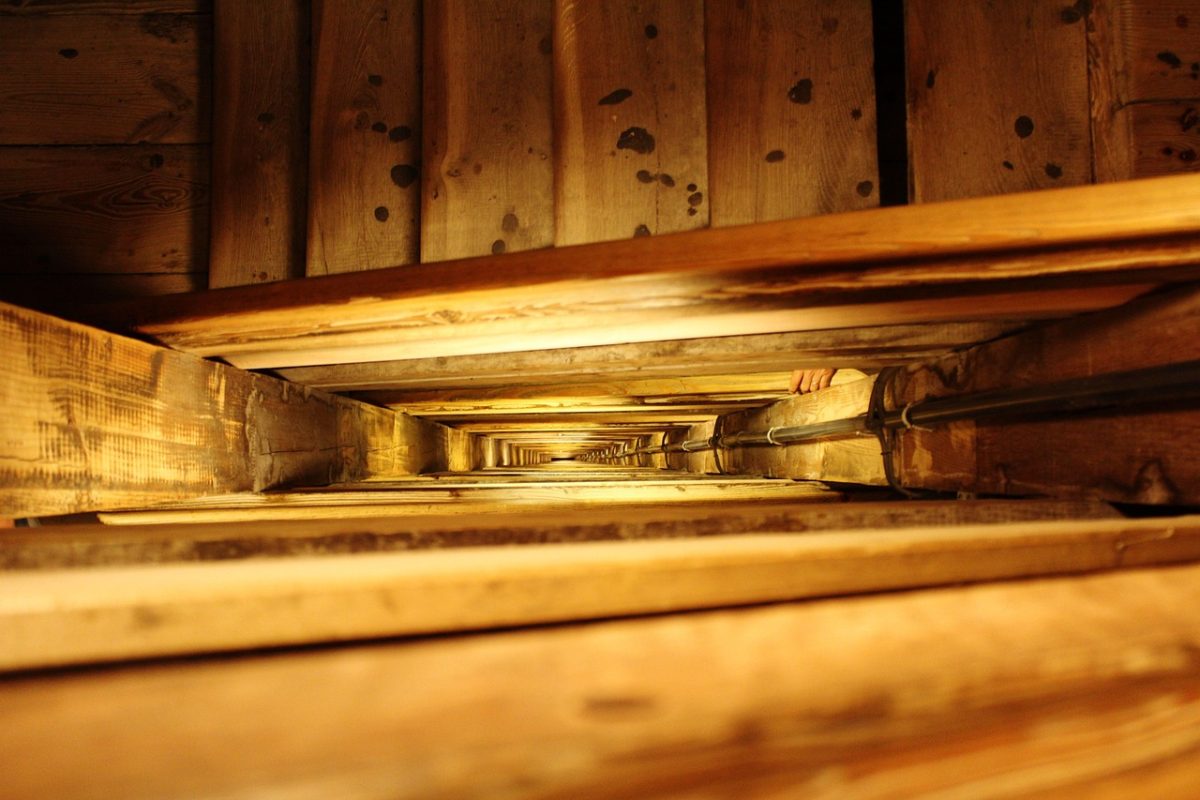
Measured vertically from the nosing of the tread — the front edge — to the top of the rail.
ADA 505.4 and ANSI A117.1; also the range in most residential stair codes.
The commonest fault in an older house is not height. It is that there is a rail on one side only, and it is on the wrong side for the person who now needs it.
Both sides, and here is why
Going down is the dangerous direction, and people favour one hand. A rail on one side serves half the trips. Adding a second rail is usually a one-afternoon job and does more for safety than almost anything else on a staircase.
The grip is half the specification
A round rail of 1.25–2″ diameter can be gripped and held during a slip. A wide decorative moulding cannot — the hand rests on it but cannot close around it, so it stops a stumble but not a fall. Leave 1.5″ between the rail and the wall for knuckles.
Handrail brackets must go into studs or solid blocking. A rail is grabbed suddenly and hard, in the worst direction, by someone already falling.
Extend past the top and bottom
The rail should continue about 12″ beyond the last step where the layout allows, so the hand still has something to hold at the moment of stepping off.
If you are buying a rail rather than measuring one that exists, the kits have a predictable weakness — they stop where the steps stop: how long a stair handrail kit actually needs to be.